


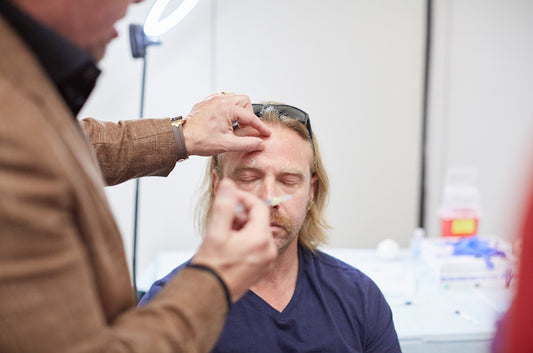


restore function, reduce inflammation, and reverse degenerative changes caused by aging, injury, or disease.
This emerging field is reshaping everything from orthopedics and pain management to aesthetics and sexual wellness. To explore accredited online training in regenerative and aesthetic biologics, visit Empire On-Demand.
What Is Regenerative Medicine?
Snippet: Regenerative medicine restores or replaces damaged cells and tissues using the body’s natural healing mechanisms.
The goal is simple: to help the body heal itself.
Through biologically active therapies, regenerative medicine repairs tissue microenvironments, stimulates new cell growth, and modulates immune activity.
This field integrates disciplines such as:
-
Cell biology and molecular medicine
-
Tissue engineering
-
Biologics and peptide signaling
-
Growth factor and cytokine therapy
The outcome is long-term tissue repair rather than temporary symptom relief.
How Regenerative Medicine Works
Snippet: Regenerative treatments activate dormant healing pathways by delivering cells, signaling molecules, or scaffolds to damaged tissue.
1. Cellular Therapy
Uses autologous or allogeneic cells (like stem cells or fibroblasts) to replace damaged or aging tissue and promote regeneration.
2. Growth Factor and Cytokine Therapy
Platelet-derived growth factors (PDGF, VEGF, TGF-β) from PRP trigger angiogenesis and collagen remodeling.
3. Exosome and Peptide Therapy
Exosomes deliver genetic material and signaling molecules that communicate repair instructions to surrounding cells. Peptides such as GHK-Cu and BPC-157 enhance tissue repair and mitochondrial function.
Learn in-depth techniques for using exosomes, threads, and biologic lasers in Harnessing the Power of Exosomes, Lasers, and PDO Threads.
4. Biostimulatory and Scaffold Therapies
Injectables like calcium hydroxylapatite (CaHA) and polynucleotides stimulate new collagen formation and improve structural support.
Applications of Regenerative Medicine
|
Specialty
|
Applications
|
|---|---|
|
Aesthetics
|
Skin rejuvenation, hair restoration, scar revision, collagen induction
|
|
Orthopedics
|
Joint pain, tendon injuries, ligament tears
|
|
Pain Management
|
Regenerative injections for chronic inflammation or degeneration
|
|
Sexual Wellness
|
Erectile and vaginal rejuvenation using PRP or exosomes
|
|
Functional Medicine
|
Mitochondrial repair, peptide optimization, and immune modulation
|
Providers can explore specific aesthetic applications through Collagen Boosting Biostimulators for Facial Contouring and Functional Medicine Training Series.
Regenerative Medicine in Aesthetics
Snippet: Regenerative aesthetics combines biologics with traditional injectables to rejuvenate the skin naturally.
Popular treatments include:
-
PRP microneedling: Stimulates collagen and improves texture.
-
Exosome facials: Enhance recovery and cellular communication.
-
PDO threads with PRP: Lift and regenerate simultaneously.
-
Biostimulatory fillers: Induce long-term collagen production.
This integrative approach repairs skin at the molecular level, resulting in stronger, healthier, and more youthful tissue — without overfilling or overcorrecting.
Scientific Basis
Regenerative medicine’s effectiveness lies in cell signaling and communication. When tissue is damaged, the body releases chemical messengers that attract stem cells and immune cells to repair it.
Regenerative therapies amplify this process by supplying:
-
Additional growth factors (from PRP and exosomes)
-
Structural proteins (like collagen and fibrin)
-
Biologic signals (via peptides and exosomes)
These interventions accelerate recovery while reducing inflammation and scar formation.
Peer-reviewed studies in Stem Cell Research & Therapy and Aesthetic Surgery Journal show significant improvement in tissue repair, collagen remodeling, and patient satisfaction when biologic therapies are integrated into treatment plans.
Benefits of Regenerative Medicine
-
Accelerates natural healing
-
Reduces inflammation and pain
-
Stimulates collagen and tissue growth
-
Restores elasticity and hydration
-
Improves mitochondrial and cellular energy
-
Minimizes scar formation
-
Offers a natural alternative to surgery
Safety and Regulation
When performed under clinical supervision using FDA-cleared or registered biologic products, regenerative procedures are safe and minimally invasive.
However, practitioners must ensure:
-
Use of sterile, certified biologics
-
Adherence to state and FDA regulations
-
Proper patient selection and informed consent
Empire On-Demand courses emphasize evidence-based regenerative medicine — ensuring clinicians apply biologic therapies safely and ethically.
Clinical Takeaway
Regenerative medicine is redefining how we approach healing and aesthetics — shifting focus from treating symptoms to restoring function.
By activating natural repair mechanisms through biologics, exosomes, and peptides, clinicians can help patients achieve true cellular rejuvenation — in skin, joints, and beyond.
FAQs
-
What is regenerative medicine?
A medical approach that restores damaged cells and tissues using biologic and cellular therapies. -
Is regenerative medicine the same as stem cell therapy?
Stem cells are one component; regenerative medicine also includes PRP, exosomes, and peptides. -
Are these treatments FDA-approved?
Many are FDA-cleared or regulated as 361 HCT/P biologics for homologous use. -
How long do results last?
Improvements may last months to years depending on tissue type and therapy used. -
Is regenerative medicine safe?
Yes, when using sterile, regulated biologics under licensed medical supervision. -
Can regenerative medicine replace surgery?
In many cases, yes — particularly for joint pain, skin rejuvenation, and mild tissue laxity. -
What are exosomes in regenerative medicine?
Nano-vesicles that deliver regenerative instructions to surrounding cells. -
Can peptides be part of regenerative care?
Absolutely. Peptides enhance mitochondrial repair and collagen synthesis. -
Is there downtime?
Minimal — most patients resume normal activity the same day. -
Who can perform regenerative treatments?
Licensed healthcare professionals trained in biologic and aesthetic procedures.
References
-
Kim J, et al. “Regenerative Therapies in Aesthetic Medicine.” Aesthet Surg J. 2023.
-
Gold MH. “Exosomes, PRP, and Peptides in Regenerative Aesthetics.” J Cosmet Dermatol. 2024.
-
U.S. FDA. “Regulatory Considerations for Human Cell and Tissue-Based Products.” https://www.fda.gov/vaccines-blood-biologics/regulation-human-cells-tissues-and-cellular-and-tissue-based-products
-
Tran C, et al. “Biologic Signaling Pathways in Regenerative Medicine.” Stem Cell Res Ther. 2022.
-
Fabi SG, et al. “Combination Biologic Therapies for Skin and Tissue Regeneration.” Dermatol Surg. 2021.


